

rewrite this content and keep HTML tags (remove this from content : rewrite this content and keep HTML tags)
The Sundance Festival has long stood as a vital incubator for indie cinema, with an especially significant role in elevating queer and trans stories at a time when the industry appears to be less motivated to embrace them. As the festival prepares for its final year in Park City, Utah, Sundance 2026 carries added weight: a moment of reflection and renewed urgency around why these stories matter and who gets to tell them.
For nearly five decades, Sundance has served as a rare entry point for filmmakers working outside the margins of mainstream media. LGBTQ filmmakers, particularly those from communities of color, trans, nonbinary, and international artists, have long found space at Sundance to present work that challenges dominant narratives and expands the cultural imagination. Many of today’s notable talent and influential LGBT+ films trace their origins back to premieres in Park City.
That legacy especially resonates more than ever as 2026 approaches. At a time when LGBTQ communities are facing renewed political and cultural backlash, the act of storytelling itself remains a form of resistance, and Sundance’s continued commitment to these narratives underscores the festival’s foundational mission. As it prepares to close this chapter in Park City and look toward its future in Colorado, Sundance 2026 offers not just a slate of films but a reminder of what independent cinema can do when it centers truth and visibility.
Below is a first look at five of the most anticipated LGBTQ films premiering at Sundance in January that are worth keeping an eye on:
1. The Brittney Griner Story
This film chronicles the series of events that led WNBA star Brittney Griner to play basketball overseas, her wrongful detainment in Russia, and her determination to secure her freedom while advocating for others still imprisoned. Director Alexandria Stapleton centers Griner’s voice, alongside her wife Cherelle and family, moving beyond the politicized media narrative to tell a deeply human and personal story of resilience and survival.
2. Public Access
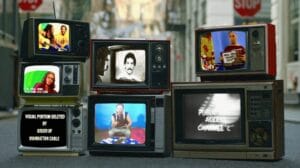
This film offers an unprecedented look at New York City’s public access television scene, where underground creators transformed TV into a free-speech experiment decades before social media. Through rare archival footage and landmark programs like TV Party and the LGBTQ+ series The Emerald City, director David Shadrack Smith captures the creative chaos, boundary-pushing expression, and First Amendment battles that helped shape today’s media landscape.
3. Give Me The Ball!
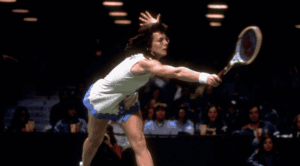
Through rare archival footage and candid interviews, Give Me The Ball! traces Billie Jean King’s groundbreaking impact on sports and culture, revealing the personal cost of her fight for equity. Directors Liz Garbus and Elizabeth Wolff present an intimate portrait of King’s competitive drive and historic victories, centering her story in her own words with striking honesty and perspective.
4. Jaripeo
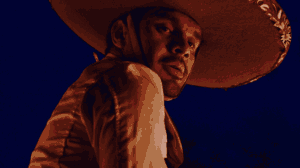
Set within Michoascán’s hypermasculine rodeo culture, Jaripeo explores queer desire, memory, and longing through the world of rural jaripeos, where machismo and hidden intimacy coexist. Using vérité and Super 8 footage, directors Efraín Mojica and Rebecca Zweig capture fleeting glances, embodied performances of masculinity and candid reflections from queer rancheros, blending lived experience with stylized dreamscapes to reveal the vulnerability and beauty beneath traditional masculine spaces.
5. LADY
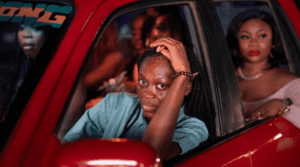
Set in Lagos, LADY follows a fiercely independent taxi driver whose life shifts when she becomes entangled with a close-knit group of sex workers after fuel subsidy cuts upend her livelihood. Director Olive Nwosu’s debut feature captures the city’s pulse while exploring survival, sisterhood, and self determination amid economic hardship and generational change.


