
rewrite this content and keep HTML tags (remove this from content : rewrite this content and keep HTML tags)
This article was written on Tuesday, before it was known whether a new WNBA Collective Bargaining Agreement (CBA) had been agreed upon or whether the players would strike.
As this week began with intense, face-to-face negotiations between the WNBA and the Women’s National Basketball Players Association (WNBPA), the 2026 WNBA season — at least a smooth start to it on the announced opening day of May 8 — hung in the balance. Paige Bueckers, Angel Reese, and the rest of the players wrapping up play at the FIBA Women’s World Cup Qualifying Tournament in San Juan are either headed home to begin preparations for the WNBA season or they’re going on an extended, unpaid vacation.
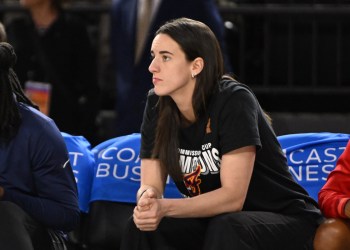
How did we reach this eleventh-hour scenario? Negotiations began at last summer’s WNBA All-Star Game, where the players wore “Pay Us What You Owe Us” shirts to reflect their disagreement with the league’s proposal, and continued with back-and-forth proposals for the past eight months. Why weren’t there in-person negotiations sooner?
I offer this opinion: the league needs to have the players’ trust, which Commissioner Cathy Engelbert does not appear to have. Insight into her thought pattern would be speculation. I think either NBA Commissioner Adam Silver should have taken the reins or Engelbert should have been replaced with someone capable of building consensus.
On the league’s side, I will give a business perspective. The WNBA continued to exist through some very shaky times when profit was just a dream and a far-off goal. During a webinar presented by Sports Business Journal last month, “Pivotal Play: Women’s Basketball in 2026,” I tried to get former WNBA president Donna Orender (2005–10), who is now commissioner of the Upshot League (launching this summer), to explain that. She acknowledged there was red ink, but didn’t elaborate on how that could impact current WNBA economics.
While there is now impressive revenue — franchises valued at hundreds of millions of dollars, sold-out arenas, and plenty of sponsors — there is a long way to go until the league recoups its investment. While the WNBA must come to terms with the fact that the players deserve fair compensation for the incredible product they’ve put on the floor that got us to this pivotal moment in history, the players need to understand that the league must recoup its investment and sustain viable forward momentum. Hopefully, both sides understand reality and are ready to play ball.