

[ad_1]
rewrite this content and keep HTML tags (remove this from content : rewrite this content and keep HTML tags)
League of Legends is getting in-game coaching for the LCP (Pacific) and LCK (Korea) leagues, with Riot Games wanting to give the feature a shot in pro play. And, while it sounds like a huge boon for teams to have an in-game coach, the drawbacks may outweigh any benefits.
It’s undeniable that coaches are an important part of success for a pro LoL team. It could be argued that getting a good draft is half the battle with winning a match, especially when it comes to Fearless Draft, which gradually whittles down the champion pool over the course of a set.
However, coaches have traditionally been a resource used exclusively outside of the game. Once pros are in a match, they’re cut off from the support staff. Until now, that is.
There are surely teams that could massively benefit from having a coach steer them in the right direction with some in-game coaching. However, the downsides to live coaching are so substantial that teams with a good in-game leader may opt out entirely, choosing to stick to the old-fashioned way.

Best LoL Teams Don’t Need In-Game Coaching
First up, here’s a quick rundown of how in-game coaching will work:
In-game coaching is an opt-in process. One member of the support staff gets nominated to speak with the team and be in a room on their own with no outside communication. Additionally, they can only see their team’s vision and are blind to that of the enemy.
This coach gets the ability to talk to their team three times per match, with 45 seconds per activation. The game doesn’t pause, though, and the coach has to say what they want to while the game is actively going.
The rules don’t restrict any other team members from watching the game normally, so there’s a world in which teams opt to sign a coach specifically for in-game activity and have other support staff analyze the match as they did before.
This could be a worthwhile venture for some teams, but there are some serious drawbacks to consider when it comes to adopting an in-game coach even on a team with adequate support staff to facilitate it.
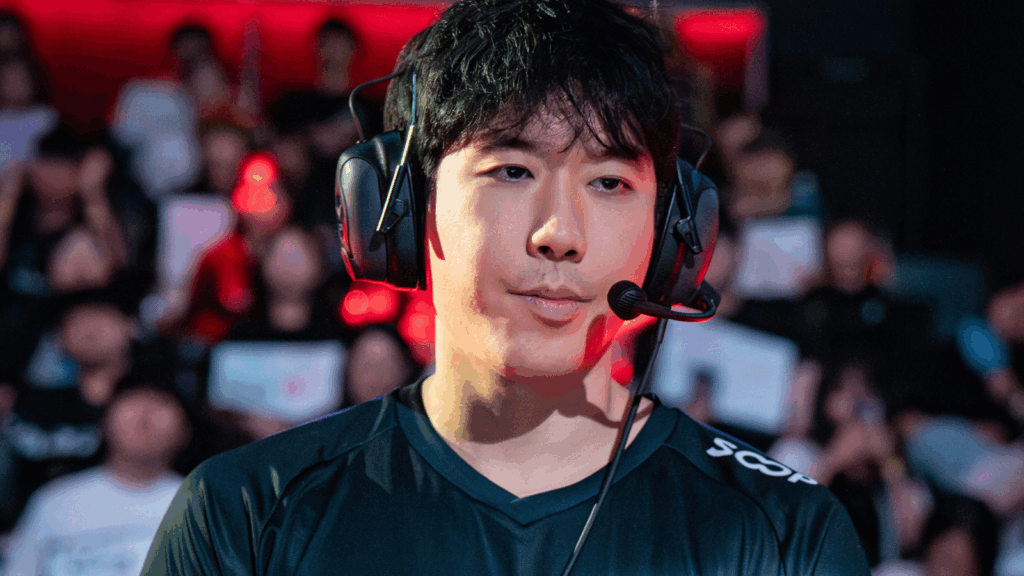
For one, what happens if the coach makes the wrong call? If Baron gets thrown and you lose the match as a team, at least it was the team’s decision and you can advise afterward. But losing Baron because of a coaching issue can build mistrust in support staff.
Additionally, what if the in-game leader disagrees with the coach’s decision-making? Or what if they’re focusing on laning when the coach is talking and don’t have time to make an argument for what they believe is the right call?
T1 is a great example of this considering that the team crashed and burned when Lee “Faker” Sang-hyeok was injured in 2023 despite his sub, Yoon “Poby” Sung-won, being a mechanically skilled player.
There’s no reason to shove a sixth voice in the conversation if you have a proven in-game leader who knows how to make the right call when it matters most, but it can help if you’re missing that leading voice, too.
For teams struggling to find their identity and make the right calls late in the game, having a strong in-game coach could be exactly what they need to put themselves on the road to improvement. There are rosters out there that are one or two good Baron calls away from greatness.
If Riot trials this change and decides to keep it, the best teams won’t be the ones who gain the most from its implementation.
Make sure to read the full list of in-game coaching rules for the LCP and LCK.
[ad_2]
Source link


